
Searching for a solar panel cleaning company in Everett usually turns up a long list of options, and most of them look similar from the outside. A truck, a website, a phone number, and a promise to make your panels look clean again. What that search doesn’t show you is method, licensing, or how a company actually handles liability if something goes wrong on your roof.
Those details matter more with solar panels than with a lot of other exterior cleaning work, since panels are both an electrical system and a manufacturer-warrantied product. The wrong approach can cost more than a missed cleaning would have.
Why Method Is the First Thing Worth Checking
Solar panels have a glass surface designed to let light through cleanly, and that surface can be damaged by the wrong cleaning approach. Abrasive brushes, high-pressure spray, or harsh chemical cleaners can scratch or degrade the glass over time, which reduces the amount of light actually reaching the cells underneath.
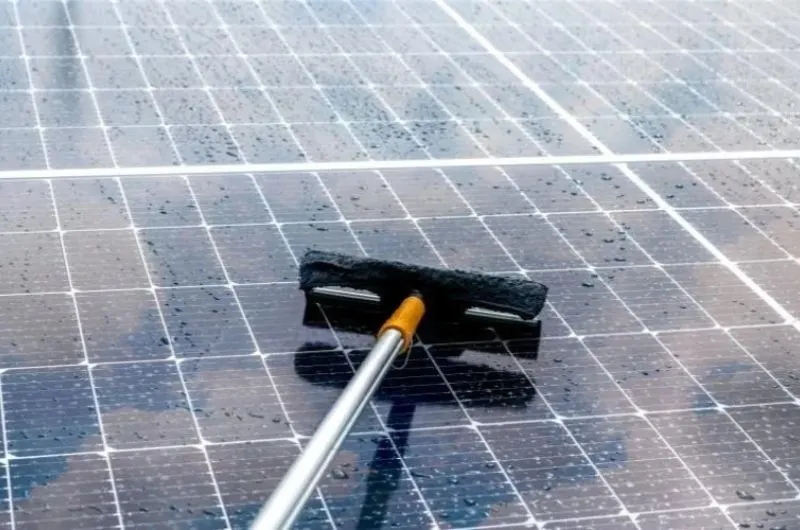
A soft-bristle brush and deionized or purified water is the more widely used approach for a reason. Deionized water doesn’t leave mineral spots behind the way tap water can, and a soft brush lifts dirt and residue without scratching the surface. Before booking anyone, it’s worth simply asking what method they use and why, and being cautious of an answer that treats panel cleaning the same as any other glass surface.
What Separates a Qualified Solar Panel Cleaning Company in Everett From an Unqualified One
The difference usually isn’t visible from a website. It shows up in how a company answers a few direct questions: what cleaning method they use, whether they carry liability insurance for rooftop work, whether their technicians have training specific to working around electrical systems, and what happens if a panel or its wiring is damaged during the visit.
A company that answers these clearly and specifically, rather than with a general reassurance, is usually the one that has actually thought through what the job involves. Routine panel cleaning is exterior maintenance, not electrical work, and a qualified company should be able to say so plainly. If something looks like an electrical issue, such as damaged wiring, a loose connection, or a cracked junction box, that should be flagged and referred to a licensed electrician rather than addressed during a cleaning visit. Vague answers are worth treating as a reason to keep asking rather than a reason to stop.
Why Licensing and Insurance Matter More on a Roof Than on the Ground
Rooftop work carries real liability, both for the person doing the work and for the homeowner if something goes wrong. A company working on your roof should be able to show proof of liability insurance without hesitation. In Washington, contractors can be checked through the Washington State Department of Labor and Industries contractor registration lookup, though registration alone confirms only that a business is a registered contractor. It does not establish an electrical license, and it does not verify manufacturer-specific training in solar panel cleaning or guarantee that a company’s insurance covers every type of rooftop work. Those are separate things worth asking about directly.
Checking this takes a few minutes and confirms whether a company is operating as a properly registered contractor, rather than relying on a homeowner simply taking their word for it.
What Happens if a Panel Is Damaged During Cleaning
This is worth asking about before any work starts, not after something goes wrong. A qualified company should have a clear answer about how they handle accidental damage, whether that’s their own insurance coverage or a documented process for addressing it.
It’s also worth asking whether a company follows your specific panel manufacturer’s cleaning instructions and warranty conditions, not just general industry practice, since requirements and approved methods can vary by manufacturer. A careful company should check panels for visible damage before using any water, and should know to keep cleaning away from electrical connections and junction boxes rather than attempting to work around or near them. If you’re not sure what your own panels require, your manufacturer’s documentation or your original installer is the most reliable source.
What a Legitimate Cleaning Visit Actually Includes
A thorough visit typically includes an inspection of the panels before cleaning, to note any existing damage or wear that wasn’t caused by the visit itself. Cleaning should address the full surface of each panel, not just the areas that are visibly dirty from the ground. And a company confident in its work should be willing to explain what they found and what they did, rather than treating the visit as a quick pass with a hose.
None of this needs to take an unreasonable amount of time, but it’s a meaningfully different process than simply spraying water across the array and calling it done.
Signs a Company May Not Be Qualified for the Work
A few patterns are worth treating as red flags rather than minor details. A company that can’t clearly describe its cleaning method, or describes it only in vague terms like a quick rinse or a standard wash, likely hasn’t distinguished panel cleaning from general exterior cleaning. A company that hesitates or deflects when asked for proof of insurance is worth being cautious about, regardless of how confident they sound otherwise.
It’s also worth noting how a company talks about pricing. A quote given with no site assessment, no questions about panel count, roof pitch, or access, and no mention of what’s actually included, often reflects a company that hasn’t thought through the specifics of the job. A more thorough intake process, even if it takes a bit longer to get a number, usually reflects a company that treats the work as more than a quick add-on service.
Why This Matters Beyond a Single Cleaning Visit
Solar panels are a long-term investment, and how they’re maintained over years matters more than how any single visit goes. A company using an inappropriate method might not cause obvious damage on the first visit, but repeated abrasive cleaning or high-pressure spray over several years can gradually degrade the glass surface or stress seals and connections in ways that aren’t immediately visible.
Choosing a company based on qualification rather than just availability or price is less about any one appointment and more about protecting a system that’s meant to perform for decades.
Frequently Asked Questions
Does pressure washing damage solar panels?
It can. High pressure spray isn’t necessary to clean a panel’s glass surface and carries a higher risk of forcing water into seals or connections than a soft-bristle, low-pressure approach does.
How can I verify a company is actually licensed in Washington?
Washington State’s Department of Labor and Industries maintains a public contractor registration lookup, which allows homeowners to confirm a company’s registration status before booking.
Will cleaning my panels void the manufacturer’s warranty?
It depends on the method used and the specific manufacturer’s guidance. Asking a company directly whether their cleaning approach is compatible with common manufacturer warranty terms is a reasonable question to ask before booking.
Should I ask for proof of insurance before a solar cleaning appointment?
Yes. A company doing any work on your roof, including panel cleaning, should be able to provide proof of liability insurance without hesitation.
Is a soft brush and water enough to actually clean solar panels?
In most cases, yes. A soft-bristle brush combined with deionized or purified water is generally sufficient to remove dirt, pollen, and residue without the risks associated with abrasive tools or high pressure.
Choose a Solar Panel Cleaning Company in Everett That Can Answer These Questions
The right questions before booking matter more than the first search result. Rusty’s Window Cleaning lists solar panel cleaning as one of its services for Everett homeowners.